How to Authenticate an Autograph: Expert Tips & Process
You order an item from a person selling autographed memorabilia. Do you know if it is authentic? The answer could pose a significant risk to your collection and its value over time. Authentic signatures can increase the value of an item, while forged autographs drag down the market. Knowing what you have before you buy makes all the difference. By understanding how to get autographs authenticated, you can verify that each addition to your collection meets your standards for accuracy and integrity.
Why Authenticate Your Autographs
Being certain that your autographed collectible is authentic is key for any collector. The authentication process confirms the signature actually comes from the claimed individual. It may involve an examination of the ink flow, medium and handwriting style.
Forgeries are common, and they can damage the market for authentic items. Most collectors expect to verify signed memorabilia for authenticity before they commit to the purchase, and it is easy to see why. An authenticated autograph usually has a higher resale price, is easier to insure as memorabilia and instills greater collector confidence.
Understanding the Authentication Process
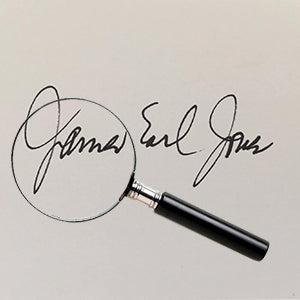
Autograph authentication is a checklist of tasks that assesses every aspect of the signature. Authenticators evaluate the object itself, analyze the ink and perform a structural comparison to similar items. They may use high-magnification loupes, spectral light analysis or microscopic imaging to assess the autograph’s form, pressure and flow. They often review the paper aging and other contextual evidence. These tasks establish whether the ink is legitimately applied and that the item dates from the correct time period. Once the analysis is complete, the analyst issues a certificate or letter of authenticity (COA/LOA) to provide evidence that the signature is genuine, forged or inconclusive.
Choosing a Reputable Authentication Company
Since every authenticator has different specialties and experience, you should invest time into choosing a reputable company. If you have requested to verify a signature before, you may have gone through an industry leader like PSA, Beckett Authentication Services or JSA. SWAU specializes in authentication for entertainment and media signatures. Before making a choice, assess the company’s track record, expert staff and resale market acceptance. SWAU offers in-house autograph verification and grading, which can save you the time and cost of pursuing third-party services.
Preparing & Submitting Your Item
When you prepare an item for authentication, you need to take care. Be sure to:
- Select the appropriate authentication tier.
- Fill out the submission form completely and accurately.
- Use protective packaging.
- Arrange for secure shipping.
Consider including copies of provenance documents, existing COAs or photos of the signing to speed up the process and improve your credibility.
You may be able to request quick opinion services from some authenticators, which give you a brief assessment based on an uploaded photo. Keep in mind that these services do not count as a full authentication, which generally requires a physical evaluation.
Certificates, Letters & Verification
Understanding certificates and letters of authenticity helps collectors verify the value of the items they purchase. A COA is a certification that includes a tamper-resistant sticker or a card with a unique serial number. An LOA provides more detail, such as photos and signature analysis. LOAs tend to be more valuable, and often necessary, for high-value items.
You can search the serial number on the authenticator’s online database to verify authenticity before you buy. For example, SWAU’s hologram verification system provides a serialized hologram that you can verify anytime through the SWAU portal.
Costs, Timing & Outcomes
The cost and time needed for the verification depends on several factors, including service tier, item type and the popularity of the signer. You may pay more for premium names or rush services. Online opinions often cost less, but they are usually less conclusive than submitting the item for physical review. Authentication can take 1 to 2 months or more, depending on demand and the service you choose.
Once the assessment is complete, you will receive the results. In most cases, you will either get a COA or LOA, a statement that the item is not authentic (with reasoning), or an inconclusive result. Some services offer a partial refund for inconclusive cases. You may want to consider reauthentication before a major sale, to update your insurance or during a shift in the market. Standards and examples evolve over time, which can give you a more accurate result.
DIY Tips & Red Flags
You can do some assessment on your own, which can help you avoid buying a forgery. DIY tips include:
- Comparing signatures with verified exemplars to see if they match
- Inspecting the ink flow and pressure for occasional inconsistencies
- Avoiding items that look printed, perhaps using autopen or stamped reproductions
Your best bet is to use a trusted dealer, auction house or certificate database to verify the item before purchasing. You will have greater long-term collection integrity that way. If an item seems too cheap to be true, has no provenance or the seller rejects authentication inquiries, you should look elsewhere.
───────────────