How to Authenticate Autographs: A Collector's Guide
What Does Authenticating Autographs Really Mean for Collectors?
Authentication is one of the most important aspects of collecting autographs. The last thing any collector would want to discover is that their signature was a fake, dupe, or inauthentic.
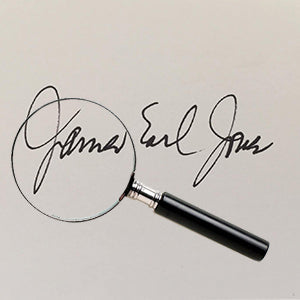
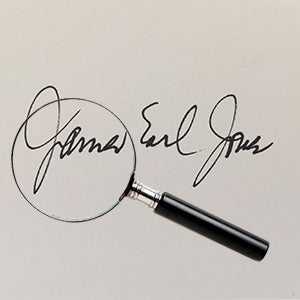
Authentication experts compare a questioned autograph against verified examples, evaluating details such as stroke direction, pressure, speed, spacing, and overall signing habits.
SWAU removes that uncertainty by authenticating items now of signing. Each SWAU-signed item receives a proprietary tamper-proof, serial-numbered hologram sticker that can be verified instantly, giving collectors confidence that their signed memorabilia is genuine.
How Experts Authenticate Autographs Step by Step
Authenticating an autograph is a methodical process that experts follow to verify whether a signature is genuine. Rather than relying on a single factor, they build a case through multiple layers of analysis. Follow this step-by-step autograph authentication process:
- Visual Comparison: Experts compare the autograph to verified authentic examples, studying letter shapes, spacing, proportions, and overall flow to spot inconsistencies.
- Pen Stroke & Ink Analysis: They examine stroke direction, pressure, speed, and ink flow. Advanced tools may be used to detect hesitation marks, unnatural starts or stops, or ink variations that suggest forgery.
- Material Examination: The surface, whether paper, photo, or collectible item, is analyzed to ensure it matches the era and context of the signature and has not been altered.
- Forensic Testing (when needed): High-end authentication services may use specialized equipment, such as video spectral comparators, to uncover hidden changes or inconsistencies invisible to the naked eye.
- Provenance Review: Authenticators evaluate documentation like photos from signings, certificates, receipts, or ownership history to establish a reliable chain of custody.
- Final Assessment: All findings are weighed together to determine whether the autograph is likely authentic, questionable, or a forgery.
PSA vs. Beckett vs. JSA: Which Authentication Service Should You Trust?
When it comes to autograph authentication, PSA, Beckett, and JSA are considered the industry’s most trusted third-party services. Each uses trained experts and proprietary signature databases to evaluate autographs, but there are key differences collectors should understand. Keep reading for key differences between PSA, Beckett, and JSA:
- PSA (Professional Sports Authenticator): PSA is one of the most established names in the hobby, particularly strong in sports memorabilia. They offer encapsulation (slabbing) services, which seal the item in a tamper-proof holder along with its authentication label.
- Beckett Authentication Services (BAS): Beckett is widely respected for both sports and entertainment autographs. BAS often provides detailed signature grading in addition to authentication, which can increase an item’s value.
- James Spence Authentication (JSA): JSA is known for its expertise in autograph verification across a wide range of categories, including historical and entertainment figures. They are often praised for consistency and a strong reputation among collectors.
All three services rely on expert analysis and comparison against known authentic examples, but none of them witness the original signing. Their authentication is based on after-the-fact evaluation.
Pricing typically starts around $20 per signature and can exceed $100 for high-value items or expedited service. Turnaround times range from weeks to months. These services are best for items bought on the secondary market, such as auctions, private sellers, or estate sales, where authenticity is uncertain. Services like SWAU witness every autograph in person and apply a tamper-proof hologram, which can be verified instantly on our site.
How to Spot a Fake Autograph Before You Get Burned
Spotting a fake autograph comes down to recognizing common red flags before you buy. Forged signatures often show inconsistent pen pressure, shaky or hesitant strokes, or ink that doesn’t match the era of the item.
For example, a vintage piece signed with a modern marker like a Sharpie should raise immediate concern. Collectors can also compare a signature against multiple verified examples, since authentic autographs naturally evolve over time, and an early-career signature that looks identical to a modern one is suspicious. Online purchases carry the most risk, especially when sellers lack provenance, use stock images, price items far below market value, or provide generic certificates from unknown sources.
Autograph Grading vs. Authentication: What's the Difference and Why It Matters
Authentication confirms that a signature is genuine, while grading evaluates the quality and appearance of that signature. This means an autograph can be 100% authentic but still receive a low grade if it is smudged, faded, or poorly placed on the item.
Grading services like PSA use a 1–10 scale, with a Gem Mint 10 representing a clean, well-placed, and visually strong signature that matches the signer’s typical style. Higher-graded autographs often command significantly higher resale prices than lower-graded versions of the same item.
Not every autograph needs to be graded. Grading is most valuable for high-end pieces intended for resale or auction, while authentication alone is usually sufficient for personal collections. Items signed through services like SWAU often perform well in grading because signatures are completed in controlled environments using the right pens and handling techniques, helping ensure clean, well-placed autographs that maintain their visual appeal. Buy with confidence knowing every SWAU autograph is witnessed in person and secured with a tamper-proof hologram. Instantly verify your item online and never question authenticity again.
Why Witnessed Signings Are the Gold Standard for Authenticating Autographs
Witnessed signings are considered the gold standard because authentication occurs in real time, with a representative physically present to verify that the celebrity is signing the item, eliminating doubt about authenticity. Unlike after-the-fact authentication, which relies on expert opinion and carries some margin of error, witnessed events control the entire process from start to finish, including item tracking, signer verification, and immediate application of tamper-proof authentication markers.
How to Verify a Certificate of Authenticity (COA) Like a Pro
A legitimate COA should come from a recognized authentication company and include a unique serial number that matches a hologram or sticker on the item, along with access to an online verification database. Generic printed certificates without trackable numbers have little to no value.
Most reputable companies, including Fanatics and SWAU, offer free online tools where you can enter the hologram code to confirm authenticity, and SWAU also backs purchases with a 7-day guarantee for added confidence. If a COA cannot be verified or the issuer is no longer active, the item’s credibility drops significantly and may require re-authentication from PSA, Beckett, or JSA. Always verify a COA before purchasing, especially at conventions or online, since a quick check can help you avoid buying a forged item with a fake certificate.
How to Protect Your Authenticated Autographs: Storage, Display, and Insurance
Protecting your autographs starts with proper storage and handling to preserve both the signature and its value. Keep items in acid-free materials and away from direct sunlight, humidity, and temperature extremes, as even short exposure can cause fading, especially with common inks like Sharpie.
For display, use UV-filtering glass or acrylic cases to prevent light damage while still showcasing your collection, with museum-quality framing recommended for high-value pieces. Store all authentication supplies, such as COAs, hologram numbers, and receipts, separately in a fireproof safe or digital backup to support insurance claims if needed.